
Houston
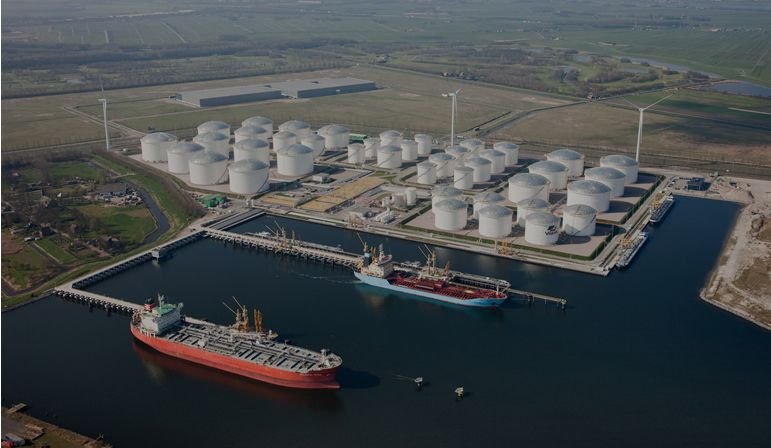
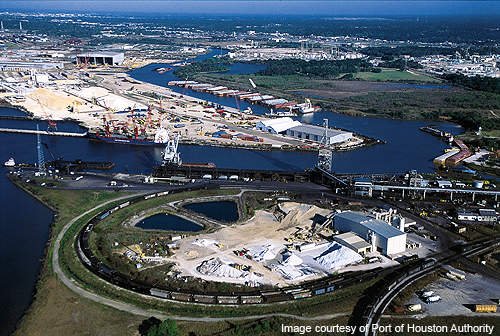
The Houston Terminal encompasses a sprawling network of wharves, docks, and warehouses strategically located along the Houston Ship Channel. This vital waterway connects the port to the Gulf of Mexico, allowing for seamless access to global shipping routes. The terminal handles a diverse range of cargo, including crude oil, natural gas, petrochemicals, grain, automobiles, and consumer goods.
Its exceptional infrastructure and logistical capabilities make the Houston Terminal a preferred destination for importers and exporters worldwide. State-of-the-art container cranes and automated handling systems ensure efficient loading and unloading operations. The terminal also benefits from robust rail and highway connections, enabling swift transportation of cargo to inland destinations across the country.
The sheer volume of cargo handled at Houston underscores its significance. In 2022 alone, the port processed over 30 million tons of containerized cargo, solidifying its position as the busiest container port in the United States. This remarkable throughput reflects the port’s strategic location, robust infrastructure, and deepwater access, enabling it to accommodate some of the world’s largest cargo vessels.
The Port of Houston, nestled along the bustling waterways of southeastern Texas, stands as a testament to America’s maritime prowess. Renowned for its expansive size and unparalleled logistical capabilities, the port complex encompasses a vast expanse of land and water, playing a pivotal role in global trade. This article delves into the dimensions of this colossal enterprise, exploring the factors that contribute to its impressive scale.
Houston’s terminal network sprawls across 25 miles of waterfront along the Houston Ship Channel, encompassing a staggering 1,200 acres. Within these boundaries lie numerous specialized terminals catering to diverse cargo needs. From towering container cranes handling millions of standardized shipping units annually to sprawling bulk cargo facilities processing raw materials like grain and petroleum products, the port’s infrastructure is a symphony of efficiency and scale.